

Control of African Bollworm in tomatoes, maize and other crops
The African bollworm (Helicoverpa armigera) is a pest that impacts over 180 varieties of plants, making it a major concern for many farmers in South Africa. Its originates in Africa, but its reach has expanded to continents like Europe, Asia, and Australia, with recent sightings in Brazil.
While it poses the most threat to maize crops, sporadic infestations can lead to significant economic losses in tomatoes, soybeans, wheat, barley, canola, grapes, citrus and other fruits, as well as cotton.
Adult moths are most active at night and deposit their eggs around plants that are about to bloom. The larvae cause most of the damage, attacking plants' reproductive structures, leading to unappealing holes in fruits, rendering them unsellable, or diminishing the plant's overall vitality and yield. Secondary fungal or bacterial infections can also occur.
The impact is amplified by their broad range of hosts, preference for plants' reproductive sections and prolific reproduction rate. Mobility (the moths can fly up to 250 km when food sources are scarce) and adaptability to varying weather (temporary hibernation) are also factors.
The most effective way to monitor the bollworm's presence is by manual examination for eggs and larvae. South Africa has set economic action levels for many crops, suggesting when to apply insecticides.
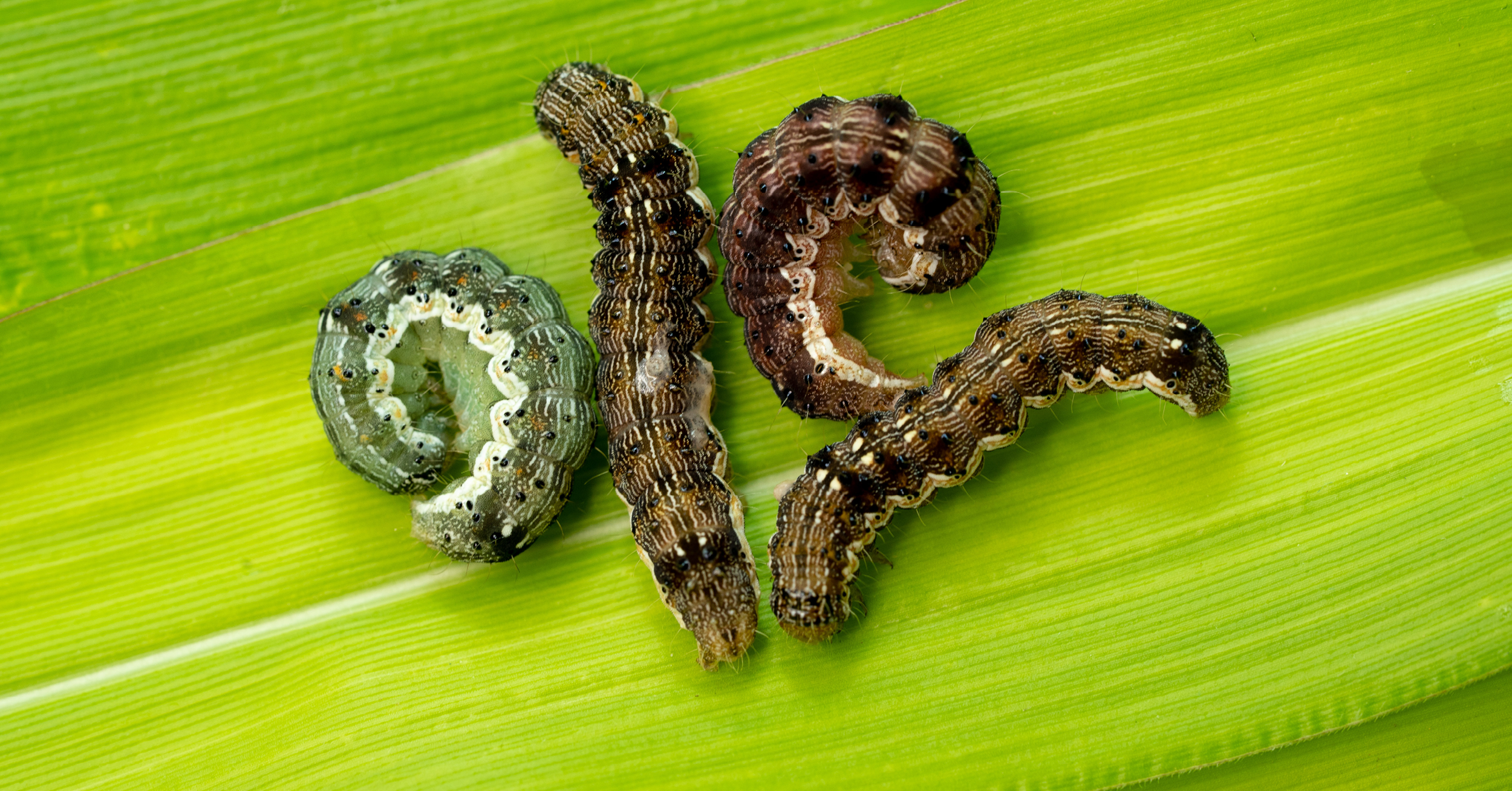
Life cycle of the African Bollworm
The African bollworm's life cycle differs according to the host plant and environmental factors.
Reproduction occurs a few days after emergence, with females laying eggs on leaves or around blossoms that are close to blooming. Eggs hatch in a few days, and the emerging larvae burrow into plant reproductive parts. As they grow, larvae leave behind holes and tunnels.
When they transform into pupae depends on their host. For example, in maize, they fall to the ground and pupate beneath the soil surface, while in cotton, they pupate on the plant or among dried leaves underneath. The colder it is, the longer they remain in their pupal stage.
In regions like South Africa, adult moths emerge mainly at the start of spring, with a larger emergence seen in late summer or early autumn.
Pest Identification
- Egg: 0.4 – 0.6 mm in length, they appear shiny and yellowish, becoming darker as hatching nears.
- Larva: Up to 30 – 40 mm, with early stages appearing yellowish or reddish-brown. Later stages vary in colour and have distinct patterns.
- Pupa: Around 14 – 18 mm, mahogany in colour, and rounded at both ends.
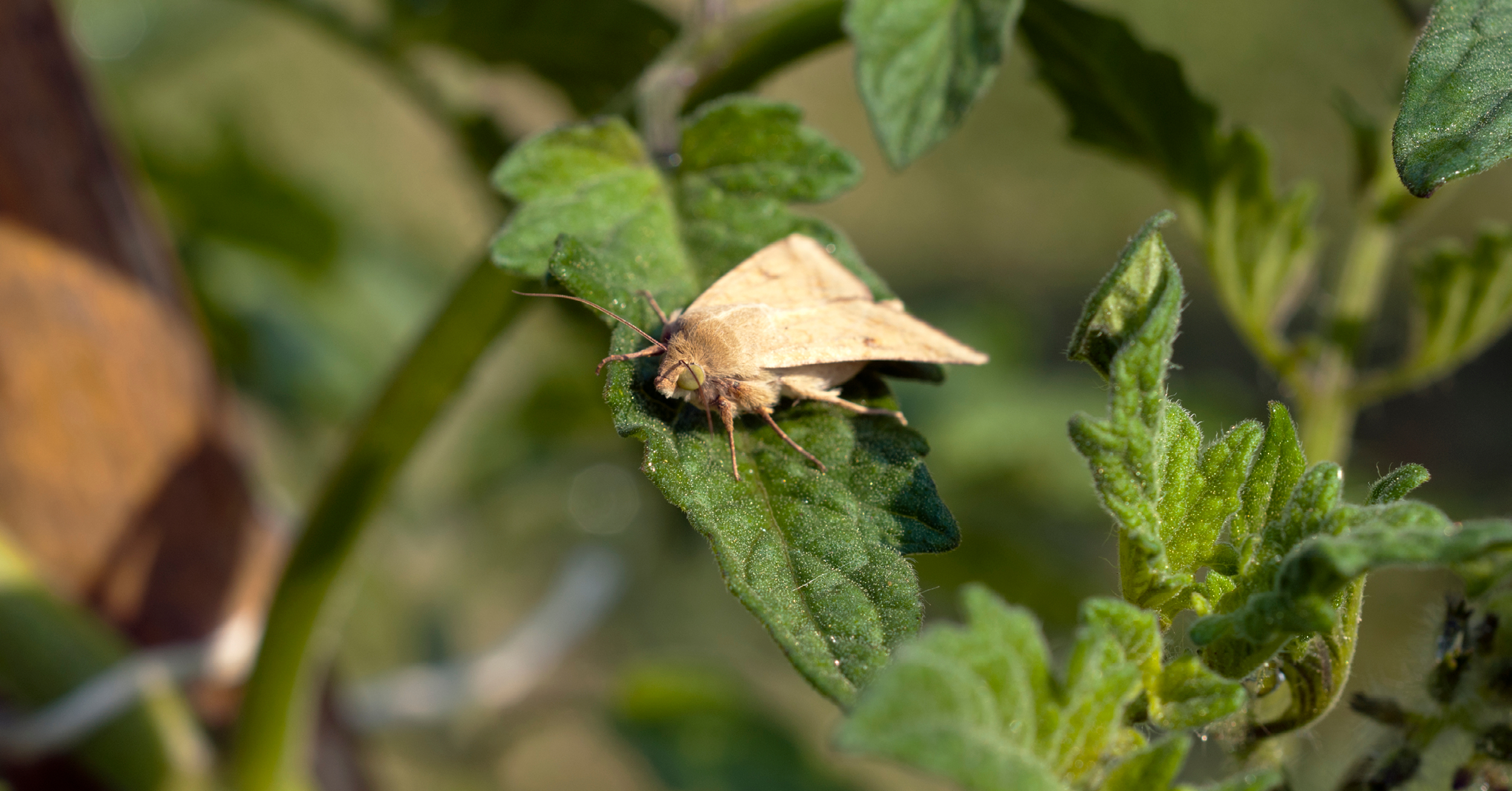
- Adult: Wingspan of 3.5 – 4 cm and exhibit colours ranging from dull yellow to reddish-brown.
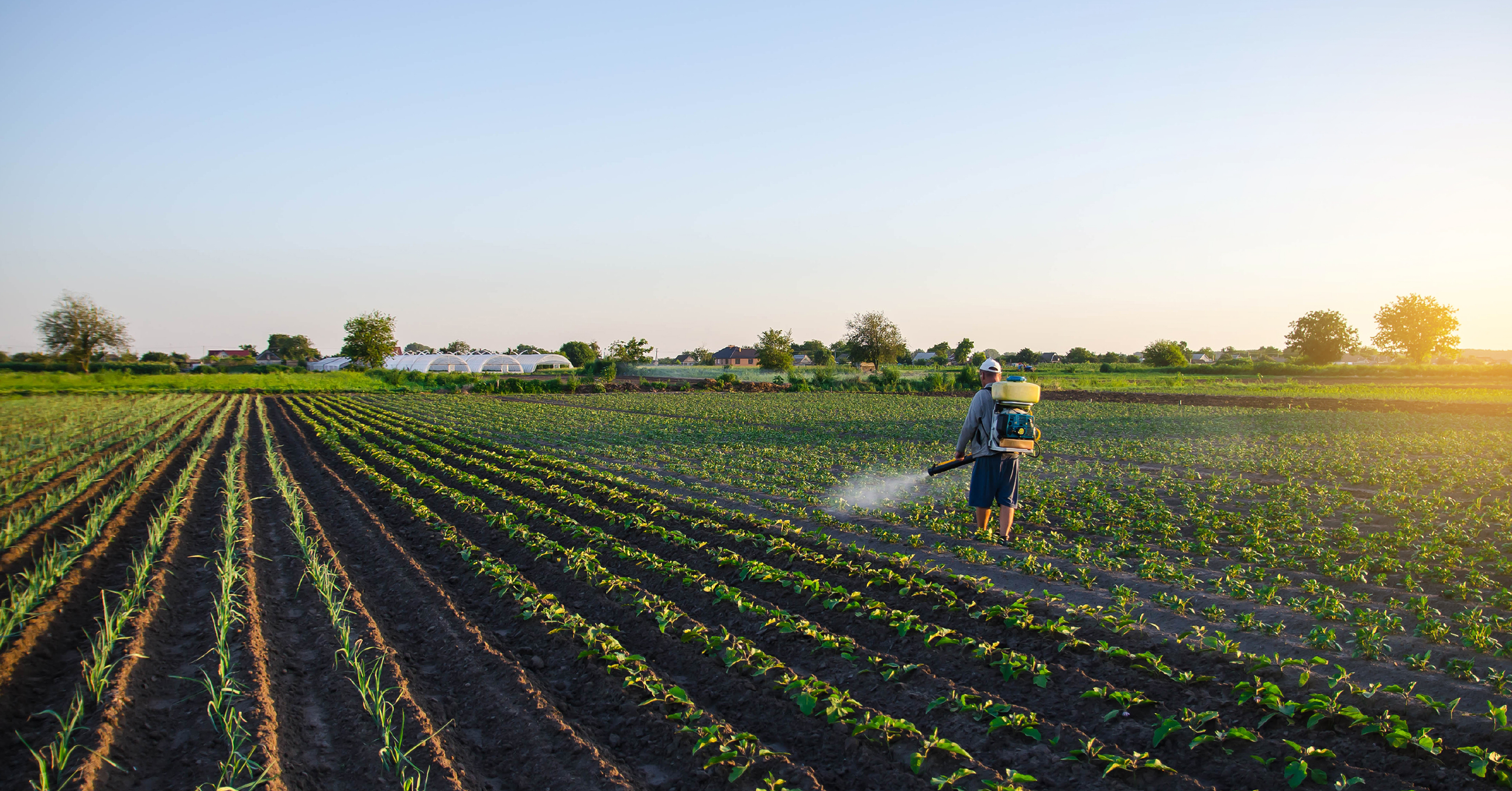
Control Methods
Integrated Pest Management
An integrated pest management (IPM) system would include monitoring, careful timing of chemical application, introducing beneficial organisms, especially beneficial insects, and cultivating genetically resistant crops while practising crop rotation with non-host plants. Proper weed management is also an important part of IPM strategy. Growers can track potential outbreaks using biological control agents, such as light and pheromone traps, but regular manual checks for larvae are crucial for effective monitoring for African Bollworm.
African Bollworm Control
Predators include a wide range of insects such as ground and lady beetles, ants, earwigs, anthocorid and mirid bugs and lacewings, in addition to spiders and predatory mites. Tachinid flies and parasitic wasps of various families are known to attack Helicoverpa armigera in Africa.
- Common southern African wasps are the egg parasitoids Trichogrammatoidea lutea Girault (Trichogrammatidae) and Telenomus ullyetti Nixon (Scelionidae), and the larval parasitoid Chelonus curvimaculants Cameron (Braconidae).
- Tachinid flies include the larval parasitoids Paradrino halli (Curran) and Drino laxa (Curran).
During the 1970s and the 1980s several parasitoids were introduced into South Africa from various other countries for the control of African bollworm - only Trichogramma pretiosum became established.
Some bacteria and viruses have also shown promise as insecticide alternatives.
Chemical Control for African Bollworm
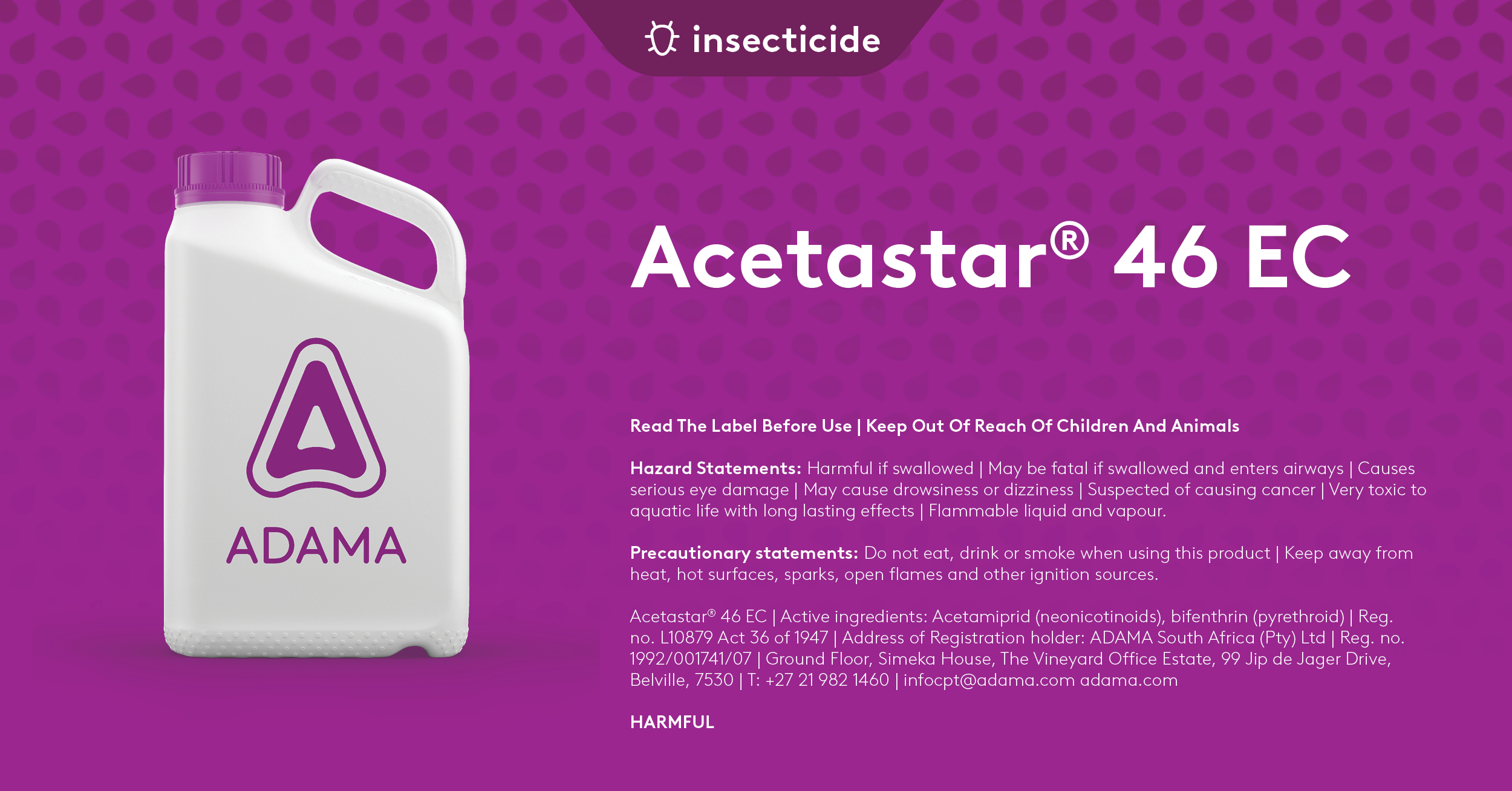
Acetastar® 46 EC is an emulsifiable, concentrate systemic, contact and stomach insecticide and acaricide registered for the control of African bollworm in tomatoes.
Before use, read the detailed information and instructions on the Acetastar® 46 EC label. Take note of signal warnings and hazard statements.
Quarantine Pest
African bollworm (Helicoverpa armigera) is considered a quarantine pest by the European and Mediterranean Plant Protection Organization (EPPO) due to concerns about its potential spread. A quarantine pest is defined by EPPO as “A pest of potential economic importance to the area endangered thereby and not yet present there, or present but not widely distributed and being officially controlled (ISPM 5, FAO).”
This underlines the importance of vigilant control measures. If you have any queries, contact your local ADAMA field agent on +27-21-982-1460 or +27-11-635-4300.