

Controlling nematodes in tomatoes and other crops
Controlling nematodes in tomatoes and other crops
Tomato farmers use both open-field and protected tomato cultivation methods, including greenhouses and tunnel farming practices. Whether grown in fields or using protected indoor cultivation methods, tomato plants and fruit are at risk from various diseases and pests.
These pests can cause a range of issues, from leaf and stem damage to affecting the plant's ability to produce fruits or vegetables.
Nematodes that feed on plant roots are a significant component of soil ecosystems and can lead to stunted growth, failure to thrive and premature wilting of crops like tomatoes and potatoes.
Nematodes are microscopic roundworms and are considered often the most troublesome pest in the world, despite their small size. They can cause significant damage to crops by attacking root systems and can be found in water, soil and plant tissues. With more than 450 species present in South Africa alone, nematodes have the potential to result in significant yield loss if left to proliferate. The three most common nematodes in South Africa are Meloidogyne spp (root-knot nematodes), Pratylenchus spp (lesion nematodes) and Globodera rostochiensis (the golden cyst nematode).
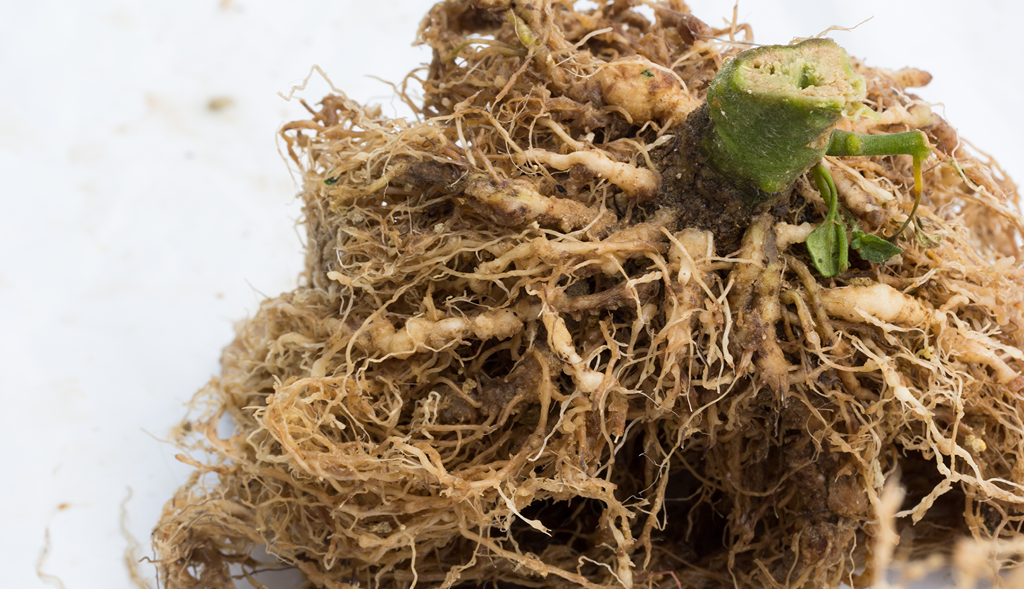
Signs of nematodes in tomatoes
Unlike other diseases and pests, nematodes survive by feeding directly on the nutrients moving through tomato roots. They form growths or galls where they reproduce, causing symptoms such as yellowing plants, stunted growth and general decline. In large scale operations, it can be difficult to know if nematodes are present because they are so tiny and their action occurs underground. An awareness of the damage they cause and the early warning signs that they may be present can prevent significant damage to the crop.
Nematodes are stubborn and spread through movement of soil, water and infested plant materials. Once they are in the soil, it can be hard to eliminate them. It is, therefore, wise to be proactive and inspect random plants in areas of concern to screen for these pests.
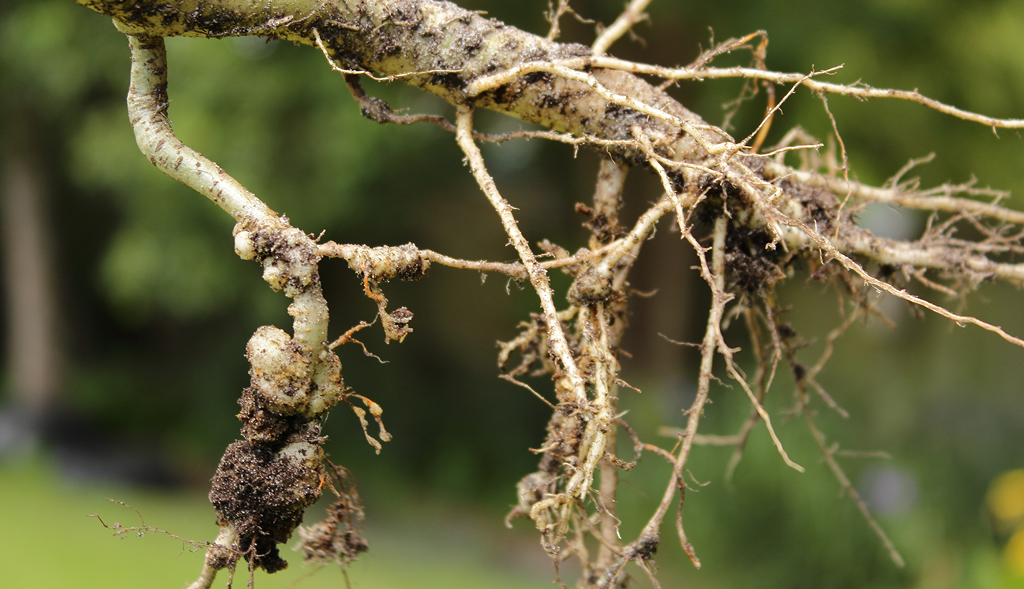
Preventing damage by nematodes
Plant protection is a vital part of producing a successful crop. To manage nematodes, farmers must ensure that crops are monitored and rotated, with nematode infested areas being treated and checked before replanting crops.
An integrated pest management (IPM) system can help to keep the pest population under control. Cultural practices such as frequent weeding, introduction of nutrients to the soil, regular tilling and adding organic material to encourage the growth of beneficial micro-organisms can all minimise the risk of nematodes. As soon as a crop has been harvested, remove and destroy remaining roots.
ADAMA’s tried and tested nematicide
ADAMA’s Nimitz® has been thoroughly tested since 2007 around the world. It has been proven to control root-knot nematodes in tomatoes, potatoes, baby marrow, butternut squash, melon, muskmelon and pumpkin.
Nimitz® is an emulsifiable concentrate nematicide that targets only plant-parasitic (root knot) nematodes – it does not disrupt the balance of the soil ecosystem and is considered non-toxic to birds, bees and aquatic life. As a true nematicide, it rapidly kills by contact all active stages of the nematode life cycle by inhibiting the feeding and motility of adults and juveniles, and the laying, hatching and development of eggs. Within 24 - 72 hours complete mortality is achieved.
Always read the warnings and directions on the label and follow these with care. Alternatively, contact your ADAMA field team for more information.
NIMITZ® - Active ingredient: fluensulfone (heterocyclic fluoroalkenyl sulfone) | Registration number N-AR 2267 referencing Act/Wet 36 of/van 1947 | Address of Registration holder: 99 Jip de Jager Drive, The Vineyards Office Estate, Simeka House | De Bron 7530, South Africa
CAUTION: May be fatal if swallowed or if entering the airways. May cause an allergic skin reaction. Causes serious eye irritation. Very toxic to aquatic life, with long-lasting effects. Avoid release to the environment. Wear protective gloves, protective clothing, and eye and face protection.