
When Glyphosate Isn’t an Option
By: Drew Thompson, TSA Eastern Canada
For the most part, glyphosate has made spring grassy weed control simple. However, in some situations (ex. vol. cereals in winter canola) glyphosate is not an option.
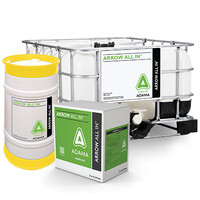
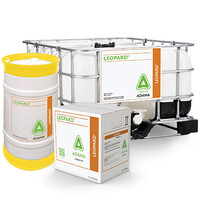
Graminicides, such as LEOPARD® (quizalofop-P-ethyl) or ARROW ALL IN®(clethodim), can be used when glyphosate cannot, but a bit of strategy is required for optimization.
Weed size is a big factor. Larger, more developed grasses have less area (percentage wise) of growing point, which is where graminicides target. Given control requires a lethal dose of ai to hit the meristematic tissue, and spring grasses are mainly winter annuals, growing as soon as things melt, rates my need adjusted upwards for full control.
Grass species also vary in their susceptibility to actives. For example, annual bluegrass; difficult to control, but often due to the use of an inappropriate product, "clethodim is the only post-emergent graminicide that controls annual bluegrass."1. Knowing the susceptibility of the target is crucial, and thankfully for most species such data is available.
Temperature is another variable, with most herbicides working best when things are warm. However, with graminicides the 'fop' products (ie. LEOPARD®) tend to maintain efficacy better than 'dims' when things turn cool,2 although neither should be used if heavy frosts are forecasted.
For more information on how ADAMA's graminicide offerings may help with grassy weeds this spring please visit the websites below or reach out with any questions.
Always read and follow label directions.
Referenced Literature:
1 Postemergence Grass Control in Landscapes and Nurseries | NC State Extension Publications
2Does ambient temperature affect herbicide performance? - WeedSmart