
Pest Profile: Sclerotinia Stem Rot - Canola
Photo credit: Belinda DeSmet, Dirt Road Agronomy
Sclerotinia sclerotiorum causes sclerotinia stem rot or white mold in canola and is present in most fields in Western Canada. This is a soil-borne disease with a wide range of hosts that infects plants through air-borne ascospores. Infection rates vary due to the variation in spread of the spores, which, when combined with varying severity depending on infection time makes predicting yield losses difficult. Infection during the early flowering stage of canola is the most likely to cause yield loss.
Identification in the field
Apothecia, the mushroom shaped sexual structures can be found mid-June into September and thrive under warm moist conditions. On canola plants themselves, stems usually start showing signs of decomposition near the leaf axils. The lesions can grow and if they girdle the stem the plant dies. When scouting the field diseased branches will be dead and straw coloured in contrast to the healthy stems around them. Because they die before forming pods, affected plants will stay upright longer than healthy plants which may start to lean or lodge once pods start filling. Sclerotia, the black resting bodies that look like mouse droppings, can be found at the centre base of diseased stems at harvest time. Once the stems are shredded and spread at harvest time they are released into the soil.
Disease Cycle
Sclerotia, or resting bodies, have two ways in which they can infect a canola plant.
Main infection mechanism:
- Sclerotinia germinate and produce mushroom-shaped asexual reproductive structures called apothecia
- Apothecia release ascospores into air
- Ascospores spread by wind, infect petals of host plant
- Infected petals drop onto leaves and leaf axils/stems
- Pathogen grows into plant, lesions formed become bleached and brittle
- Once in new plant sclerotia begin to form in stem
- At harvest stems are shredded and sclerotia are spread onto soil
Secondary infection mechanism:
- Sclerotia may germinate and produce mycelium, infecting roots and stem bases directly
- Sclerotia start developing in stems
- At harvest stems are shredded and sclerotia are spread onto soil
Management:
Since sclerotinia stem rot is one of the more economically significant canola diseases, there have been multiple tools created to assist with management decisions. The Canola Council of Canada has created a risk assessment tool (https://www.canolacouncil.org/calculator/) that factors in the previous 2 weeks rainfall, likelihood of rain over the next 3 days, soil moisture, plant stand density, years since the last host crop, severity in the previous host crop, and presence of apothecia.
Rotations avoiding brassicas, beans, sunflowers, pulses, potatoes and vegetables are effective in reducing sclerotia. Additionally managing susceptible broadleaf weeds such as thistle, redroot pigweed, dandelions and stinkweed is necessary. Varieties resistant to sclerotinia are available, however none are fully immune. The resistant varieties may reduce severity by 60%, however traits such as lower lodging rating can also help. Reducing plant densities, avoiding over-fertilizing to reduce lodging and excess biomass, as well as reducing irrigation during flowering (where applicable) are also effective tools at reducing the microclimates necessary for sclerotinia development.
Control Tips
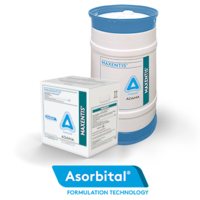
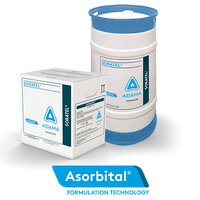
Fungicides like MAXENTIS® or SORATEL® provide effective control of this disease. Applications are most effective prior to petal drop which allows for the maximum number of petals to be protected.
References
https://www.pioneer.com/content/dam/dpagco/pioneer/na/ca/en/files/articles/DF-Sclerotinia-Stem-Rot-of-Canola-NA_CA_EN_V1.pdf date accessed January 7 2026
https://www.canolacouncil.org/sclerotinia-rating-method/ date accessed January 7 2026
https://www.canolacouncil.org/sclerotinia-calc/sclerotiniariskassessment date accessed January 7 2026
Canadian Phytopathological Society. Diseases of Field Crops in Canada. Saskatoon : Canadian Phytopathological Society, 2003. p. 134-136