

Pre-Seed Cold Temperature Guidance
Written by: Patty Soloducha - Technical Sales Agronomist North/Central Sask
Successful herbicide performance depends heavily on environmental conditions, especially temperature. Cool nights, frost events, and plant stress can all influence how effectively weeds absorb and respond to herbicide applications. Understanding when to spray — and when to wait — can significantly improve weed control and reduce the risk of poor performance or regrowth.
Ideal Application Conditions
Best case:
- 1–2 warm, sunny days with temps ≥ 8-10°C
- Nighttime lows ≥ 4°C before application
- Helps improve control of larger or tougher weeds
Minimum Temperature Guidelines
- If temperatures drop below 0 to −3°C:
- Wait until air temperature reaches ≥10°C
- Spray after at least 2 hours at this temperature
- Ensures weeds return to active growth
- Stop spraying if:
- Temps are forecast to fall ≤ 8°C
- End applications at least 2 hours before the temperature drop
After a Hard Frost (Below −3°C)
- Assess weed damage before spraying:
- Look for water‑soaked or blackened leaves
- Wait 24–48 hours before resuming applications
- If >40% leaf damage, follow Canola Council guidance:
- Wait until new green growth appears
- Spray only on a warm rebound day
Product Performance Considerations
- Some active ingredients are more temperature sensitive. Cold, drought, or heat stress can:
- Harden weeds
- Reduce control or suppression
- Increase chance of regrowth
GO / CAUTION
GO (Generally):
- Overnight low > −3°C
- Weeds look healthy
- Daytime temps warming to ≥8–10°C
- Spray during warming conditions
CAUTION:
- Repeated near‑freezing nights
- Slower symptom development
- Systemic products may take longer to show results
Simple Decision Matrix
Overnight Low ABOVE −3°C — proceed if ALL apply:
- No frost on leaves; foliage dry
- No visible frost injury
- Day will warm to ≥8°C (ideal 8–10°C+) for several hours post‑spray
Overnight Low BELOW −3°C — delay & reassess:
- Wait 24–48+ hours
- Confirm ≥60% green tissue and new growth
- Spray only on a warm rebound day
- Avoid if another hard frost is forecast
Temperature plays a critical role in herbicide effectiveness. Spraying during warm, stable conditions improves weed uptake, enhances control, and reduces risk. After frost events or periods of cold stress, patience is often the best management tool. Waiting for weeds to recover and resume active growth can make the difference between effective control and costly regrowth later in the season.
***always read and follow the label***
For more information reach out to your local Area Business Manager or Technical Sales Agronomist here.
Referenced literature:
Related Products
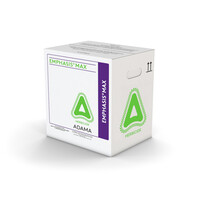
EMPHASIS® MAX
EMPHASIS® MAX with its dual mode of action, has an increased rate of cafentrazone for enhanced control of Kochia, including group 2,4,5 and 9 resistant biotypes.
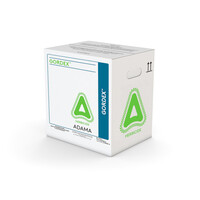
GORDEX™
Tank-mix the multi-mode liquid formulation of GORDEX™ with glyphosate for extended residual control and effective knockdown of tough Group 2 & 9 resistant weeds
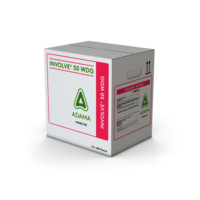
INVOLVE® 50 WDG
ADAMA’s Group 2 herbicide for control of broadleaf and grassy weed pre-seed, in-crop, post-harvest and summerfallow applications.
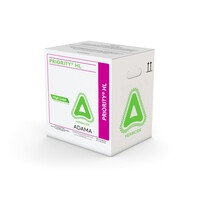
PRIORITY® HL
NEW the ideal glyphosate tank-mix partner for pre-seed/post harvest burn-off upgraded with a convenient high load formulation!