

Herbicide Resistance on the Prairies: An Escalating Threat
Article by: Melissa Ostash
Herbicide resistance remains an escalating concern for farmers across the Canadian Prairies, where resistant weeds continue to spread and become more difficult to control. Canada currently has the third-largest number of herbicide-resistant weed species globally, with 56 confirmed resistant weeds, behind the United States (132) and Australia (89). The issue is estimated to cost producers approximately $530 million each year through yield losses and the need for alternative management practices.
Herbicide resistance develops when plants evolve genetic mutations that allow them to survive herbicide applications. These mutations emerge through repeated exposure to the same herbicide groups, creating selection pressure that favors resistant individuals. Mechanisms include altered target sites, enhanced metabolism, or reduced herbicide uptake. This differs from herbicide tolerance, where a plant naturally survives a herbicide without requiring any genetic adaptation—often due to lower uptake, rapid degradation, or sequestration of the chemical.
Surveys show that about 70% of Prairie fields contain at least one herbicide-resistant weed species. In total, 86 unique herbicide-resistant weeds have been documented, with approximately two new resistant biotypes identified each year. Although the most recent weed surveys were updated last year, no new survey results have been published for 2025, leaving experts to emphasize that herbicide resistance remains an ongoing and worsening problem.
Resistance is generally categorized as either target-site resistance, where the herbicide’s target enzyme has mutated, or non-target-site resistance, where weeds block, detoxify, or otherwise prevent the herbicide from functioning. On the Prairies, the top resistance issues include:
- Group 1 and 2 resistant grassy weeds
- Multiple-resistant kochia (Groups 2, 4, 5, 9, and 14)
- Northward movement of Amaranthus species, including Palmer amaranth and tall waterhemp
- Heavy glyphosate reliance
- Increasing Group 2 resistant weeds
Wild Oats: Widespread Resistance Across the Prairies
Wild oats remain one of the most significant resistant weeds. They are resistant to Groups 1, 2, 14, and 15, and surveys show that 69% of wild oats across the Prairies display herbicide resistance. Of these:
- 62% are Group 1 resistant only
- 27% are resistant to Groups 1 and 2
- 34% are Group 2 resistant only
This means that one-quarter of all wild oats cannot be controlled by herbicides in wheat or barley crops. Management options include BISON® 400L, BRAZEN ALL IN®, and CAZADO™.
Kochia: A Rapidly Spreading, Highly Resistant Weed
Kochia is resistant to Groups 2, 4, 9, and 14 and continues to accumulate multiple resistance traits. A single plant produces an average of 15,000 seeds, with potential to reach up to 120,000. If left uncontrolled, kochia plants break off at the base in fall and tumble across fields, dispersing seeds and creating visible “kochia trails.” Because resistant kochia populations can increase rapidly, preventing plants from reaching maturity is considered critical. Control options include FORCEFIGHTER ALL IN®, OUTSHINE ALL IN®, and RUSH 24 ALL IN®.
Waterhemp: Multiple Resistance, No New Chemistries
Waterhemp is resistant to Groups 2, 5, 9, 14, and 27, and currently no new herbicide chemistries are available for effective control. If waterhemp is identified or suspected in a field, growers are advised to remove plants before they set seed by pulling or digging them out completely. Cutting is discouraged because the plants will regrow and still produce seed. Running waterhemp through the combine further spreads the weed, and plants may continue setting seed until freeze-up.
Other Weeds of Concern
Additional weeds requiring attention on the Prairies include Canada thistle, lamb’s quarters, cleavers, foxtail barley, narrow-leaved hawk’s beard, and Russian thistle.
With herbicide resistance expanding and new biotypes continuing to emerge each year, agronomists warn that the problem will remain a significant challenge for Prairie agriculture.
Related Products

CAZADO™
True dual mode of action control of wild oats, the first ever in-crop opportunity for wheat growers to proactively protect against grassy weed resistance.
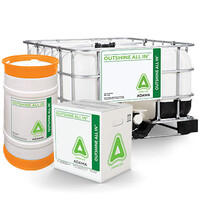
OUTSHINE ALL IN®
Control of hard-to-kill annual broadleaf weeds in spring wheat, spring barley and oats. Now in a more convenient formulation!

BRAZEN ALL IN®
Post-emergence herbicide for the control of grassy weeds with great tank-mix flexibility and a built-in adjuvant.